
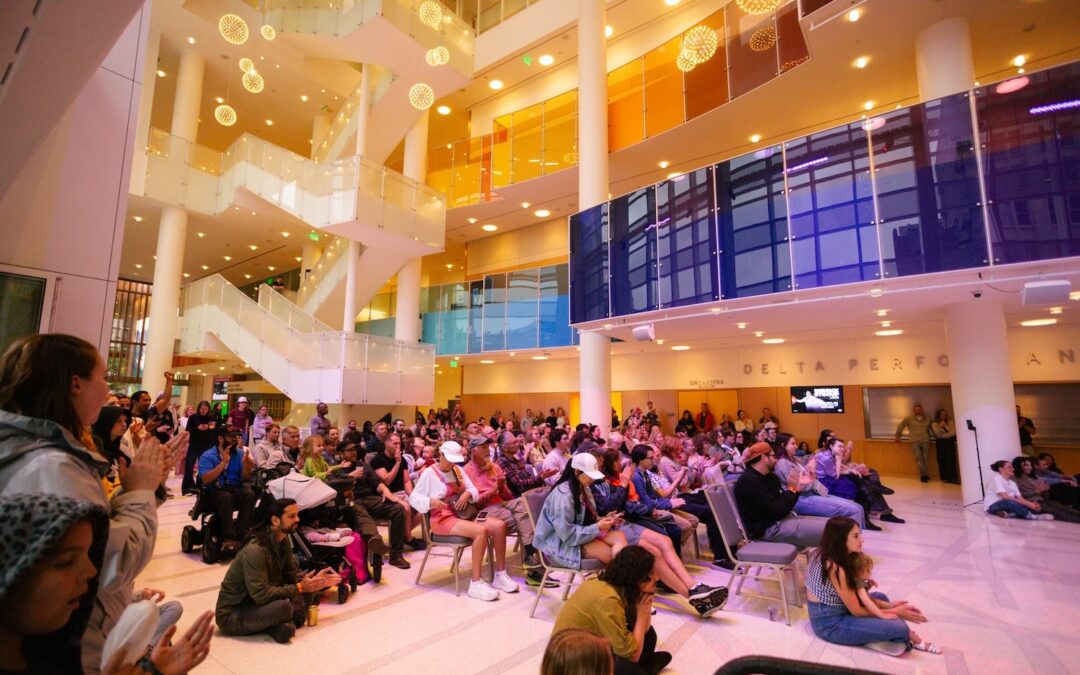
In 2026, the traditional advertising playbook is facing its toughest challenge yet. Consumers are no longer just tuning out banner ads and skipping commercial breaks—they are actively looking for depth, authenticity, and real-world connection. Digital fatigue has peaked, and a standard screen-based campaign is no longer enough to build lasting loyalty. To truly stand out in a crowded marketplace, modern brands must pivot toward an immersive experiential marketing strategy that transforms passive consumers into active, passionate participants.
The Shift from Impressions to Impact
For years, marketing success was measured purely by impressions, views, and click-through rates. Today, the metric that matters most is emotional resonance. This is precisely where brand experience marketing comes into play. Instead of simply telling people what your brand values are through a social media post, you must physically show them. By designing immersive, tangible environments where people can interact directly with your product, you create core memories that a standard digital advertisement simply cannot replicate.
An effective event marketing strategy in 2026 isn’t just about hosting a routine corporate gathering; it’s about creating a living narrative architecture. Whether it is a high-tech pop-up shop using augmented reality, an interactive art installation, or an exclusive multisensory product launch, these physical touchpoints give your audience a compelling reason to engage on a deeper level.
Elevating the Brand Through Hospitality
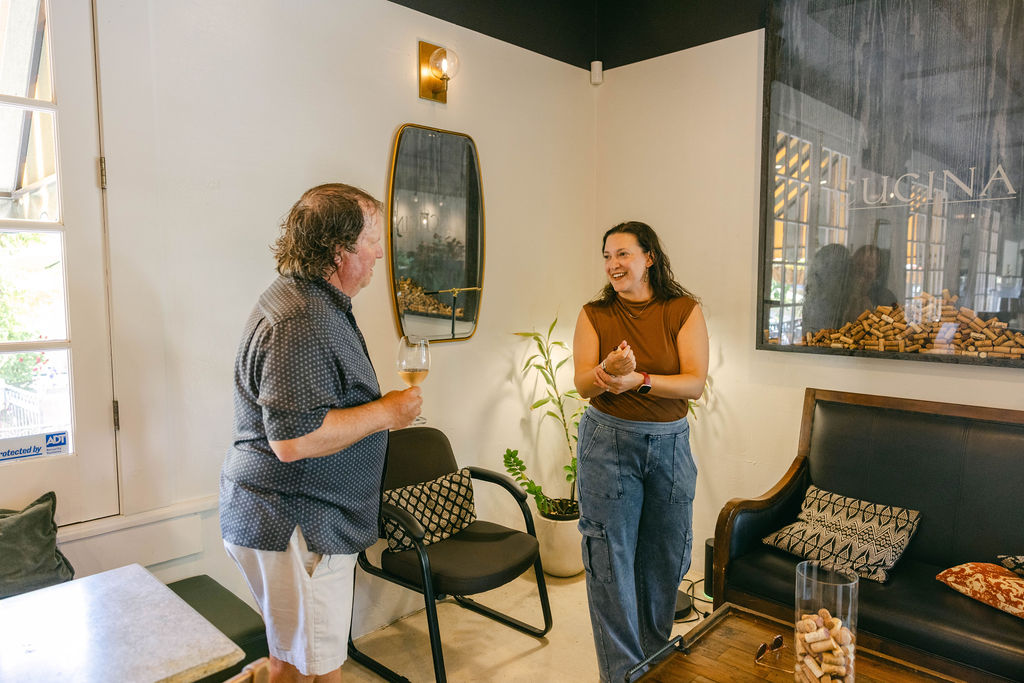
One of the most powerful trends driving this commercial transformation is hospitality event marketing. Brands entirely outside the traditional hospitality sphere—such as tech giants, automotive leaders, and luxury retail lines—are now leveraging premium hospitality elements to elevate their consumer gatherings. When you treat your target audience as honored guests rather than leads on a spreadsheet, the entire dynamic changes. High-end catering, curated sensory atmospheres, and deeply personalized service transform a standard promotional event into an exclusive lifestyle experience. This seamless blend of luxury and connection is essential for modern experiential branding, ensuring every single sight, sound, and touchpoint reflects the core premium ethos of your business.
Why Integration is the Key to True Success
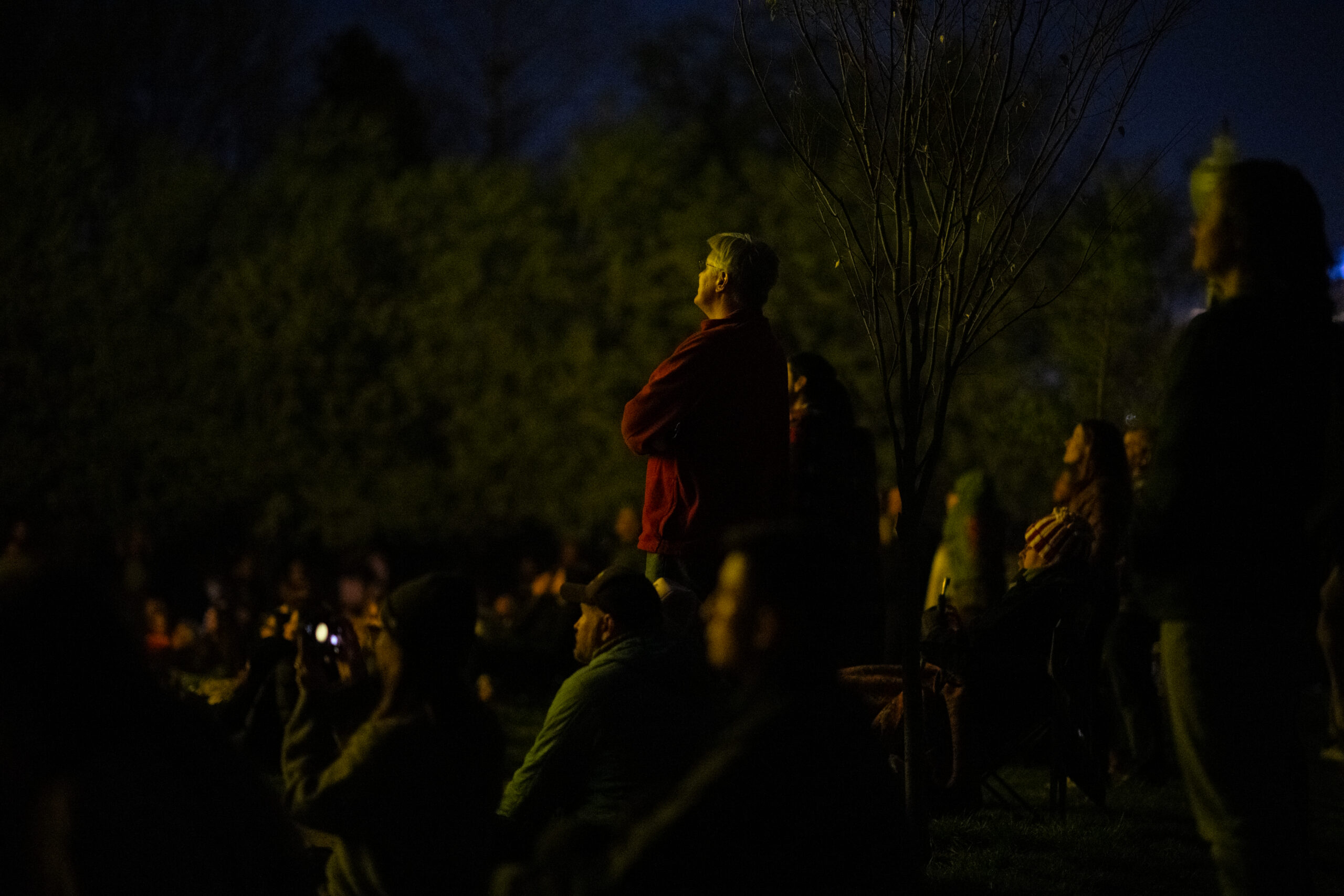
Deploying a successful experiential marketing strategy does not mean abandoning your digital channels altogether. Instead, it means using digital tools to amplify physical moments. In 2026, physical events act as the primary content engines for digital campaigns. A single well-executed live experience can generate thousands of organic user-generated social media posts, live streams, and viral videos, expanding your reach far beyond the venue’s physical walls.
Ultimately, consumers are looking for stories to tell and memories to share. If your brand only exists on a flat screen, you risk being forgotten with a single swipe. By embedding a sophisticated, well-planned experiential marketing strategy into your broader commercial roadmap, you give your audience something invaluable: a genuine human connection.
Are you ready to elevate your brand beyond the digital screen? Contact Elle Marketing & Events today, and let’s co-create an unforgettable live experience that turns casual observers into lifelong advocates.